Tips
October 2, 2024
By admin
How to Prepare Your Dog for Their First Grooming Session
Taking your dog for their first grooming session can feel like a big step, especially if y...
Read More

3mins
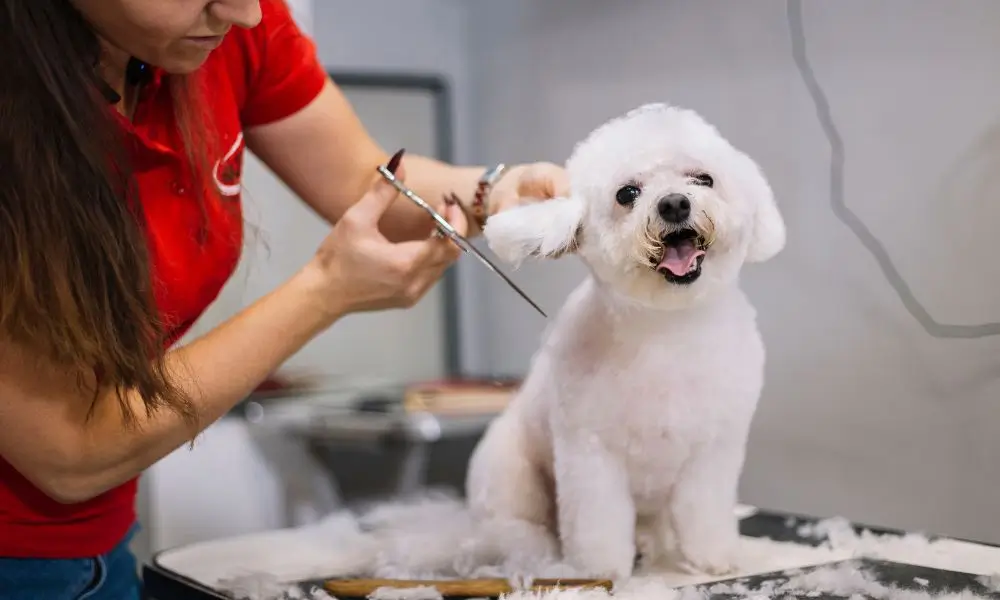
Regular grooming is essential for maintaining your dog’s health and appearance, but how often should you be grooming your dog? The answer depends on a variety of factors, including breed, coat type, activity level, and even the season. Grooming doesn’t just keep your dog looking good—it helps prevent skin problems, matting, and shedding, while also giving you an opportunity to check for any signs of health issues.
Here’s a guide to help you understand when and how often you should be grooming your dog based on their individual needs.
Dogs with short coats, like Beagles, Boxers, and Dobermans, require less frequent grooming compared to their long-haired counterparts. Their coats don’t tend to mat, and they shed minimally. However, they still benefit from regular brushing to remove loose fur and distribute natural oils, which keep their skin healthy and their coat shiny.
Recommended Grooming Frequency:
Breeds like Golden Retrievers, Border Collies, and Spaniels have medium-length coats that can become tangled and matted if not groomed regularly. These dogs typically shed more, especially during seasonal changes, and they require a bit more attention.
Recommended Grooming Frequency:
Long-haired dogs, like Shih Tzus, Afghan Hounds, and Maltese, have coats that are prone to tangles and matting if not groomed frequently. Regular brushing is essential to prevent discomfort and keep their coat looking its best. Many long-haired breeds also benefit from professional grooming to keep their fur at a manageable length.
Recommended Grooming Frequency:
Dogs with double coats, such as Huskies, German Shepherds, and Pomeranians, shed heavily, especially during the shedding seasons (spring and autumn). Their thick undercoat requires regular brushing to remove loose fur and prevent matting. While shaving double-coated breeds is not recommended, regular brushing and baths are crucial to manage shedding.
Recommended Grooming Frequency:
Breeds like Poodles, Bichon Frises, and Portuguese Water Dogs have curly coats that don’t shed much but can become matted if not maintained. These dogs benefit from regular trims and professional grooming to keep their curls in check and avoid painful mats.
Recommended Grooming Frequency:
Hairless dogs, such as the Chinese Crested or the Xoloitzcuintli, have different grooming needs. While they don’t require brushing, their skin needs special attention to avoid dryness, irritation, and sunburn. Regular baths are important to keep their skin clean and moisturized.
Recommended Grooming Frequency:
If your dog is highly active, frequently getting dirty, or loves outdoor adventures, you may need to groom them more often. Regular grooming will help remove dirt, debris, and potential allergens from their coat.
Many dogs, especially those with double coats, go through seasonal shedding. During these times, more frequent brushing is needed to manage loose hair and prevent it from accumulating in the coat and around your home.
Dogs with skin conditions or allergies may require more frequent grooming with specialized products to manage their symptoms. Always consult with your vet if your dog has specific health concerns that affect their grooming routine.
Regular grooming is not just about maintaining your dog’s appearance—it’s a key part of their overall health and well-being. Whether you groom at home or rely on a professional, establishing a grooming schedule tailored to your dog’s breed, coat type, and lifestyle will ensure that they stay comfortable, clean, and happy all year round.
By following these guidelines, you’ll be able to keep your dog’s coat healthy and make grooming a positive experience for both of you!
Copyright © 2026. Sweeny Pups. All rights reserved.